
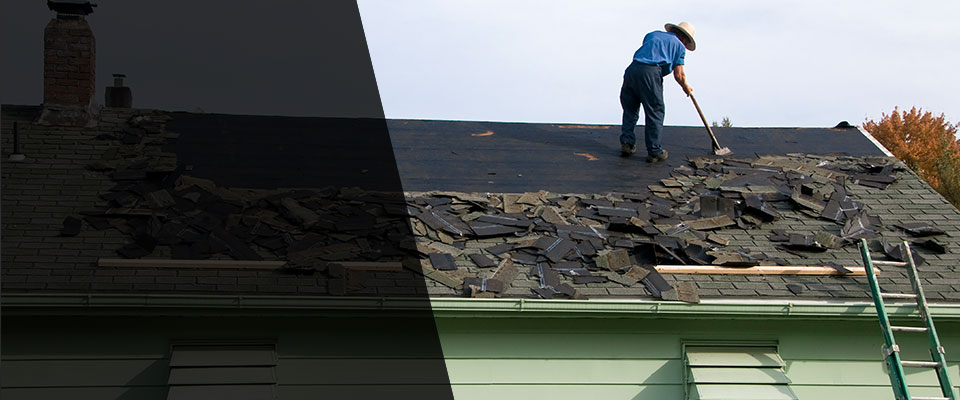
24 Hour Emergency Roofing
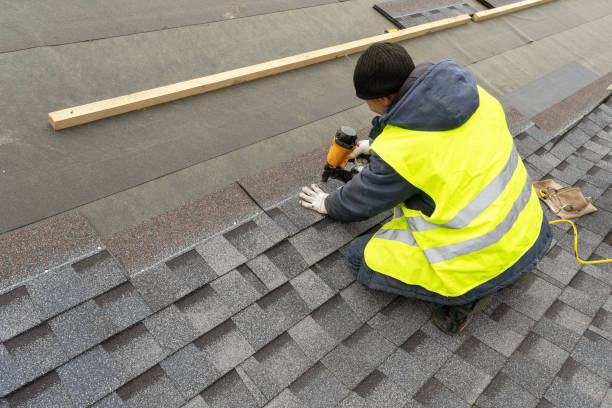
Roofing Repairs
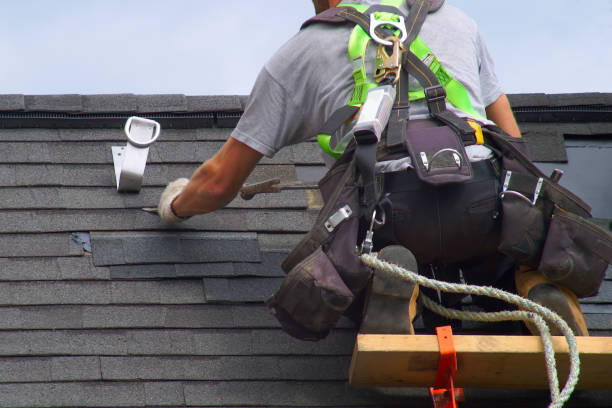
New Roofs and Re-Roofs
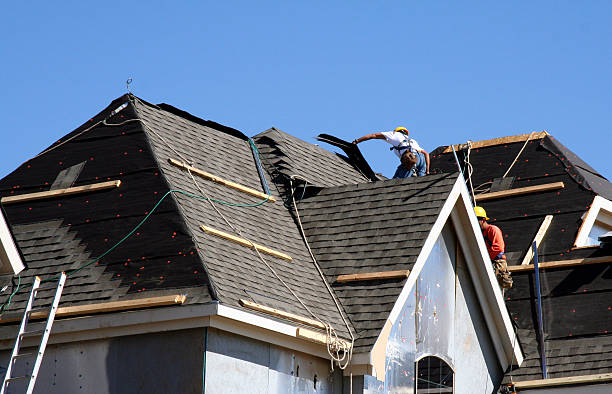
Roofing Cleaning
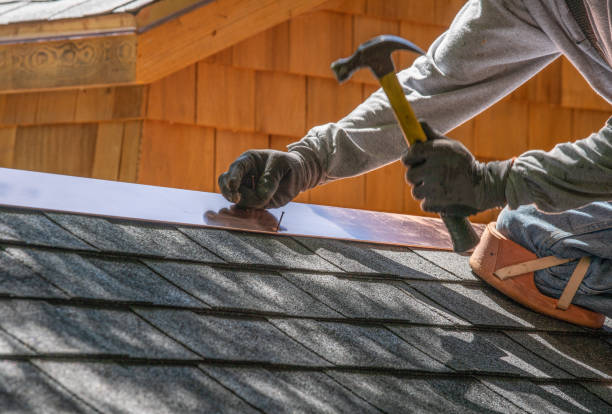
Roof Leak Repair in Broadway, NJ 08808
Is your roof dripping?
Everyone desires and needs a safe and secure and comfortable place to live. Many house repairs may be accomplished throughout a weekend. There are some Do it yourself repairs that must not be attempted. A broken, dripping roof is one of the most feared house repairs considering that finding and remedying a leak isn’t typically simple.
Tarnished or sagging sheetrock, flaking paint, or an obvious drip are all signs of a roof leak. Even a minor undiscovered leak can trigger broken insulation, mildew advancement, and decayed wood structure. A leak can likewise move and spread out from the original broken area to another part of your home.
Our Broadway Roof Repair and Replacement Contractors can provide fast service!
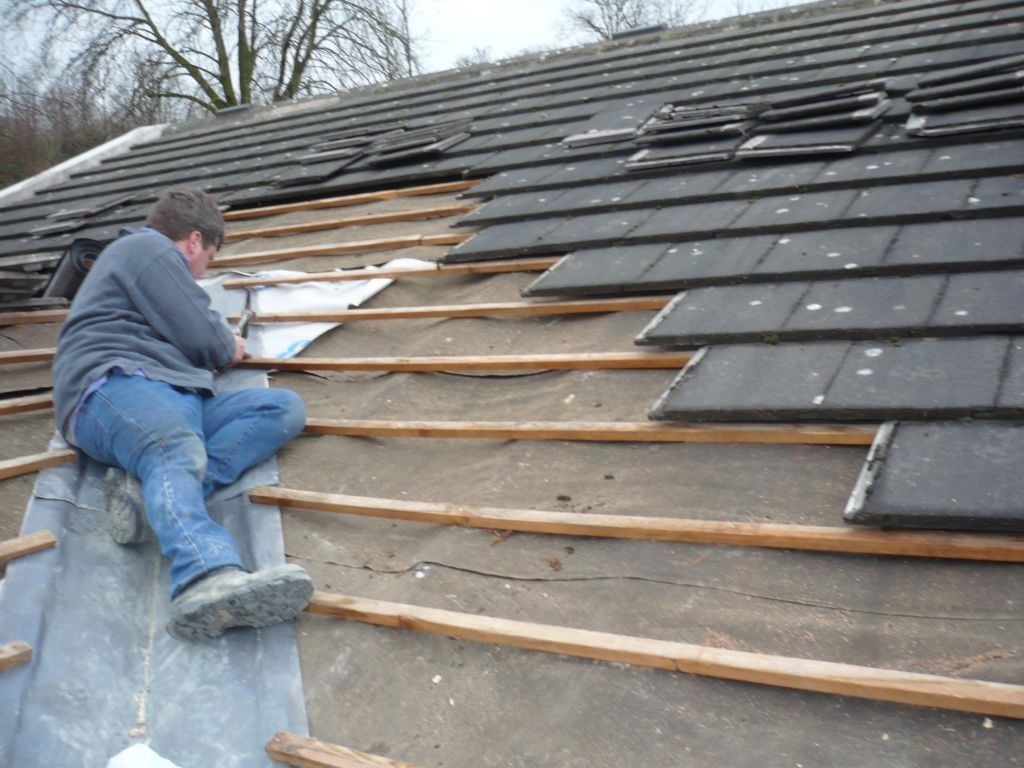
Contact Us Today to Repair a Leaking Roof at 888-347-0551
The majority of roof leaks in Broadway, New Jersey are triggered by reasonably normal situations that harm your roof.
- Your roof will never have a bad day, yet aging is unavoidable. All roofing materials are prone to harsh climate condition such as rainstorms, freeze/thaw cycles, heats, and intense summer season sun, which might ultimately cause premature aging, cracking, and curling of the shingles.
- Brick chimneys appear to be strong, but the mortar that holds the bricks together, as well as the flashing and chimney crown, can be easily damaged. Water might enter into the attic through cracks, rust, and leaks.
- A leak can be readily caused by missing out on or broken shingles. Specific shingle replacement is usually not a significant issue, however failing to get it fixed might lead to more broken shingles and more pricey repairs.
- The vents on your roof system include exposed fasteners that will fracture, degrade, and age in time. This is a small repair, however it is a normal source of leaks due to the fact that a lot of vents do not last the life of the roof.
- The pipes boot slips over a pipeline to secure the pipeline’s connection to the roof. The boot, like the vents and flashing, can be harmed, fracture, and fail. The repair isn’t particularly hard, although damage can be easily ignored.
- Storm damage, strong winds, and hail might all cause big and small holes. Some holes appear, however others might go undetected for years until an assessment exposes them. Water can get in through even small holes triggered by misplaced roofing nails, the removal of an antenna or dish installing bracket, or impact-related fissures in roofing materials.
- A complex, complicated roofline might be rather appealing, however it is likewise harder to water resistant. Every joint, valley, and slope needs to be marked.
- Roof materials struggle to hold up against freeze-thaw cycles, in addition to ice and snow. Water may sneak into microscopic spaces in between and under shingles when snow builds up, melts, and refreezes. Water swells and deepens the fracture as it freezes. The weight of the snow and ice can likewise trigger bending and sagging of the flashing and plywood structure.
- Seamless gutters might posture troubles if they are not cleaned and fixed on a regular basis. Rainwater can support behind a obstruction and penetrate through the shingles, harming the wood underneath. Standing water can likewise cause harm to older rain gutters.
- Skylights, like chimneys and pipeline vents, have a few of the same issues. Aside from potential flashing damage, the rubber or vinyl seals around skylights may dry up and fracture; at this moment, the skylight should be changed.
- Wetness can build up in your attic as a result of ventilation problems, and this can imitate a roof leak. In order to effectively evacuate warm air and wetness from your attic area, your roof must have enough intake and exhaust ventilation. This can result in wood rot, mold, and harmed insulation, and it has the possible to be a very expensive repair.
The greatest protection against roof leaks is to schedule a yearly roof inspection and to act quickly if you suspect a leak.
Trusted, dependable roof repair contractors on which homeowners can rely is also a priority. Our Roofing Contractors are dedicated to professionalism and excellent work. Please contact us right away if you need a roof repair contractor at 888-347-0551.
We can provide Emergency Roof Repair for all areas in Broadway including: Warren County, , and in Area Codes 908