
24 Hour Emergency Roofing
Roofing Repairs
New Roofs and Re-Roofs
Roofing Cleaning
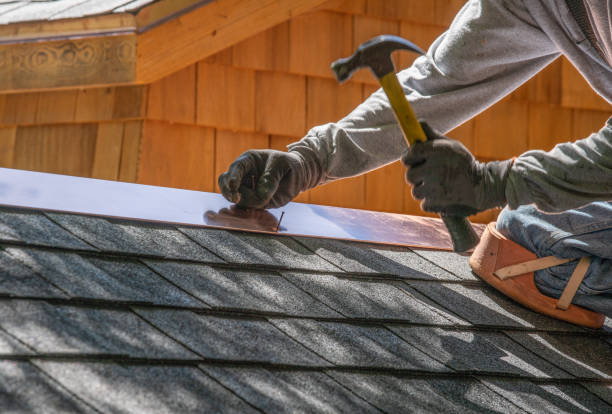
Roof Leak Repair in Waldwick, NJ 07463
Is your roof dripping?
Everyone desires and requires a protected and comfortable location to live. Lots of house repairs might be achieved throughout a weekend. However, there are some DIY repairs that ought to not be tried. A broken, leaking roof is among the most feared house repairs since discovering and correcting a leak isn’t normally simple.
Tarnished or drooping sheetrock, flaking paint, or an evident drip are all indications of a roof leak. Even a small undiscovered leak can trigger broken insulation, mildew advancement, and rotted wood structure. A leak can likewise move and spread from the initial broken region to another part of your residential or commercial property.
Our Waldwick Roof Repair and Replacement Contractors can provide fast service!
Contact Us Today to Repair a Leaking Roof at 888-347-0551
The majority of roof leaks in Waldwick, New Jersey are triggered by relatively normal situations that harm your roof.
- Your roof will never ever have a bad day, yet aging is inescapable. All roofing materials are prone to harsh climate condition such as rainstorms, freeze/thaw cycles, high temperatures, and extreme summer sun, which might eventually trigger early aging, splitting, and curling of the shingles.
- Brick chimneys appear to be strong, however the mortar that holds the bricks together, as well as the flashing and chimney crown, can be readily ruined. Water may get into the attic through fractures, deterioration, and leaks.
- A leak can be readily brought on by missing or broken shingles. Private shingle replacement is normally not a major concern, however failing to get it repaired might result in more damaged shingles and more costly repairs.
- The vents on your roof system contain exposed fasteners that will fracture, deteriorate, and age in time. This is a little repair, however it is a common source of leaks because a lot of vents do not last the life of the roof.
- The pipes boot slips over a pipeline to secure the pipe’s connection to the roof. The boot, like the vents and flashing, can be harmed, fracture, and stop working. The repair isn’t particularly hard, although damage can be easily ignored.
- Storm damage, strong winds, and hail may all cause big and small holes. Some holes appear, but others may go undetected for years until an evaluation exposes them. Water can go into through even small holes caused by lost roofing nails, the elimination of an antenna or meal installing bracket, or impact-related fissures in roofing materials.
- A complex, convoluted roofline might be rather appealing, however it is also harder to water resistant. Every joint, valley, and slope should be marked.
- Roof products battle to withstand freeze-thaw cycles, in addition to ice and snow. Water might sneak into tiny spaces between and under shingles when snow collects, melts, and refreezes. Water swells and deepens the fracture as it freezes. The weight of the snow and ice can also cause bending and drooping of the flashing and plywood foundation.
- Seamless gutters might pose problems if they are not cleaned and fixed on a regular basis. Rainwater can back up behind a obstruction and penetrate through the shingles, damaging the wood underneath. Standing water can likewise cause harm to older gutters.
- Skylights, like chimneys and pipe vents, have a few of the exact same problems. Aside from possible flashing damage, the rubber or vinyl seals around skylights may dry up and fracture; at this moment, the skylight must be changed.
- Moisture can build up in your attic as a result of ventilation problems, and this can simulate a roof leak. In order to sufficiently leave warm air and moisture from your attic location, your roof needs to have sufficient consumption and exhaust ventilation. This can result in wood rot, mold, and harmed insulation, and it has the prospective to be a extremely costly repair.
The greatest protection against roof leaks is to schedule a yearly roof inspection and to act quickly if you suspect a leak.
Trusted, dependable roof repair contractors on which homeowners can rely is also a priority. Our Roofing Contractors are dedicated to professionalism and excellent work. Please contact us right away if you need a roof repair contractor at 888-347-0551.
We can provide Emergency Roof Repair for all areas in Waldwick including: Bergen County, , and in Area Codes