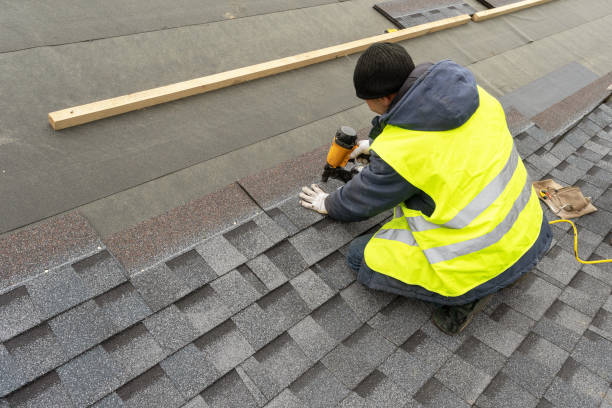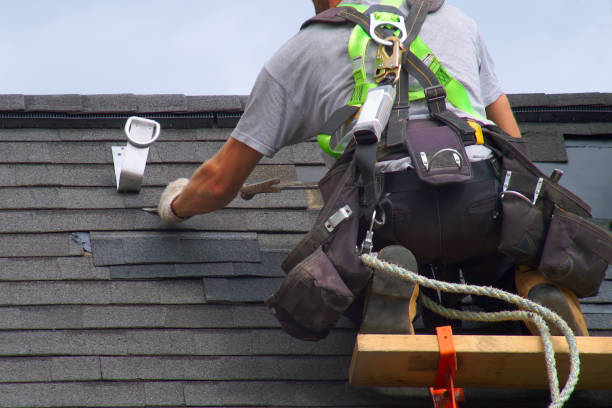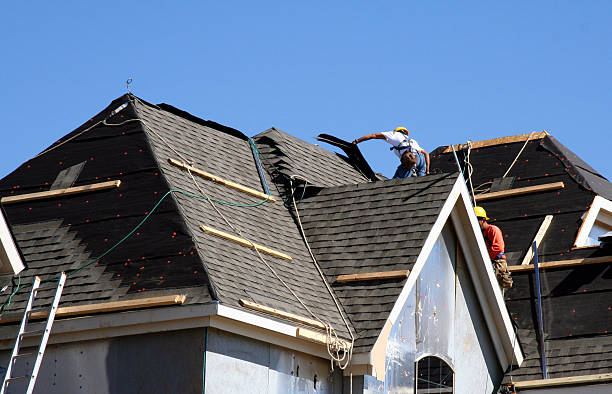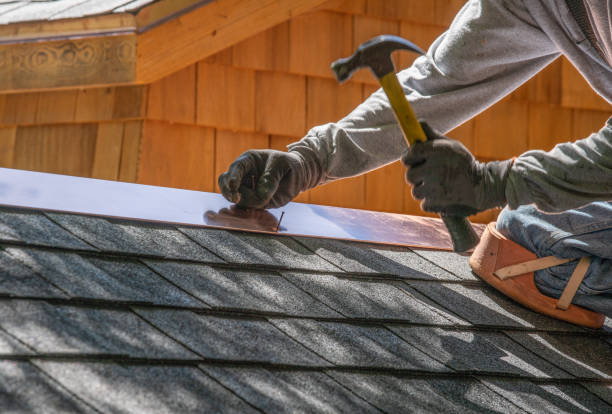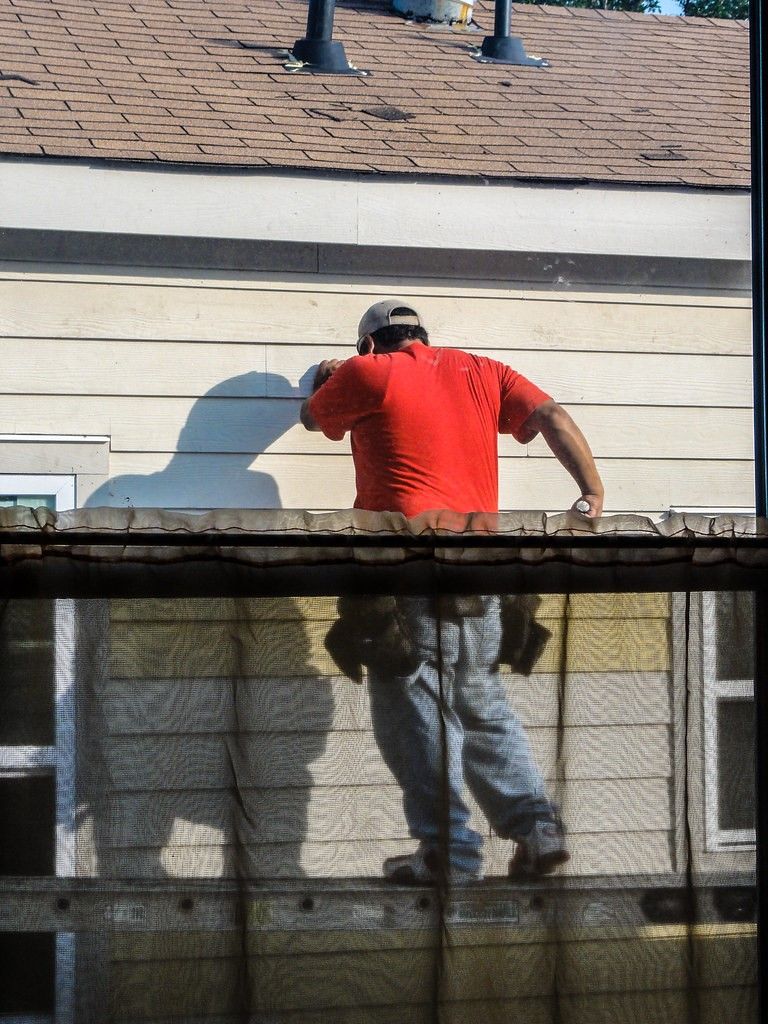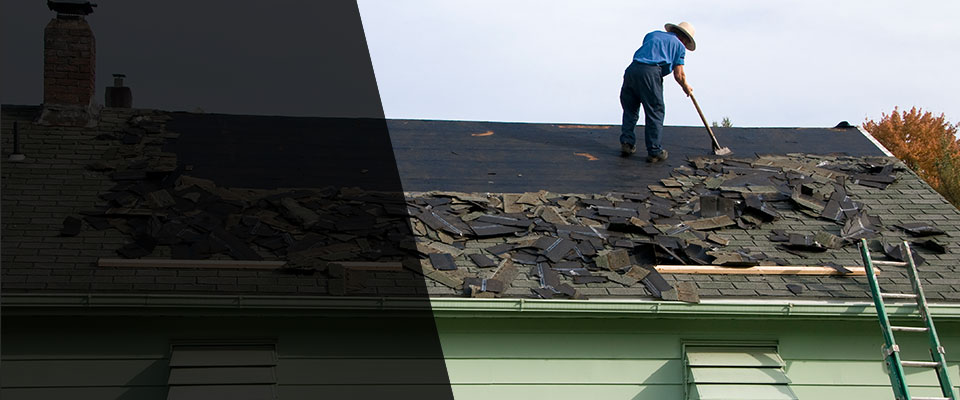
Everybody desires and requires a secure and comfortable location to live. Lots of home repairs might be achieved over the course of a weekend. However, there are some DIY fixes that need to not be tried. A damaged, dripping roof is one of the most feared home repairs considering that finding and correcting a leak isn’t usually straightforward.
Stained or drooping sheetrock, flaking paint, or an obvious drip are all signs of a roof leak. Nevertheless, even a small undiscovered leak can cause damaged insulation, mildew development, and decayed wood structure. A leak can also move and spread out from the original damaged area to another part of your home.
Contact Us Today to Repair a Leaking Roof at 888-347-0551
The majority of roof leaks in Alpine, New Jersey are brought on by reasonably normal circumstances that harm your roof.
Your roof will never ever have a bad day, yet aging is inescapable. All roofing materials are prone to severe weather such as rainstorms, freeze/thaw cycles, high temperatures, and intense summer season sun, which might eventually trigger premature aging, splitting, and curling of the shingles.
Brick chimneys seem strong, however the mortar that holds the bricks together, as well as the flashing and chimney crown, can be readily damaged. Water may enter the attic through fractures, corrosion, and punctures.
A leak can be readily brought on by missing out on or broken shingles. Private shingle replacement is generally not a significant concern, but stopping working to get it repaired might lead to more broken shingles and more expensive repairs.
The vents on your roof system contain exposed fasteners that will fracture, degrade, and age over time. This is a small repair, but it is a typical source of leaks due to the fact that a lot of vents do not last the life of the roof.
The pipes boot slips over a pipe to secure the pipeline’s connection to the roof. The boot, like the vents and flashing, can be damaged, fracture, and fail. The repair isn’t especially difficult, although damage can be easily ignored.
Storm damage, strong winds, and hail might all trigger big and little holes. Some holes are evident, but others might go undiscovered for years till an evaluation exposes them. Water can enter through even small holes brought on by misplaced roofing nails, the elimination of an antenna or dish installing bracket, or impact-related cracks in roofing products.
A complex, convoluted roofline may be quite attractive, but it is likewise more difficult to waterproof. Every joint, valley, and slope needs to be marked.
Roof materials struggle to withstand freeze-thaw cycles, in addition to ice and snow. Water may sneak into tiny areas between and under shingles when snow accumulates, melts, and refreezes. Water swells and deepens the fracture as it freezes. The weight of the snow and ice can also cause flexing and sagging of the flashing and plywood structure.
Gutters may pose difficulties if they are not cleaned and fixed on a regular basis. Rainwater can support behind a clog and permeate through the shingles, damaging the wood underneath. Standing water can likewise trigger harm to older rain gutters.
Skylights, like chimneys and pipeline vents, have a few of the same concerns. Aside from prospective flashing damage, the rubber or vinyl seals around skylights may dry up and fracture; at this moment, the skylight needs to be replaced.
Wetness can develop in your attic as a result of ventilation issues, and this can simulate a roof leak. In order to properly evacuate warm air and wetness from your attic location, your roof must have adequate intake and exhaust ventilation. This can lead to wood rot, mold, and harmed insulation, and it has the potential to be a really expensive repair.
The greatest protection against roof leaks is to schedule a yearly roof inspection and to act quickly if you suspect a leak.
Thought of installing metal roofing yourself? Don't even trouble to think about it. Placing on brand-new metal roofing and even doing repairs is not as easy as you thought it is. Knowing how to do metal roof is a complicated one. It entails numerous treatments, special techniques and would require making use of rather a number of assorted metal tools and devices. Metal roof is mostly done by expert installers, as this is not merely a do-it-yourself task. It is a good idea to employ an experienced roof professional to set up a moderate to complex metal roofing system. Let us have a fast knowing of the procedures and the needed requirements on how to do metal roofing.
The very primary step on how to do metal roof is to understand just how much metal roof is needed and this will be determined by determining the height and length of the roofing and its edges. a change of your old roofing, it is necessary to do careful assessment of loose roof or harmed protrusions. Check the roof pitch using a measuring square and a level and bear in mind of the minimum requirement as recommended by the producer.
The next requirement is to identify the roof underlayment which helps prevent unnecessary wetness on the metal roofing system during certain weather conditions. The underlayment must protrude on all roof edges by 1 1/2 inches, expand on vent pipelines by at least 1 1/2 inches, and on sidewalls by a minimum of 6 inches. roofing system is located right versus the underlayment, it is best to put on red rosin paper over the felt paper to avoid sticking on the metal.
The next few actions on how to do metal roof will deal more with the metal sheets. Screw the metal roofing system into the wood slats with the usage of 1/4 inch metal wood screws every two feet on both sides. Fasten the metal sheets by putting in 5/16 inch lap screws every four feet where two sheets overlap each other.
Start working on the sides of the roofing with the metal trim to cover its edges as well as the roofing ridge which should be bent over to totally cover it. Use 1/4 inch metal wood screws for the metal trim.
These are simply the standard treatments on how to do metal roof. If you care to ask a professional, the entire process is much more complex. If you want to try the roofing work on your garage, for circumstances, just make sure to carefully follow the steps and use the suitable working tools.
The very first step on how to do metal roof is to understand how much metal roof is needed and this will be determined by determining the height and length of the roof and its edges. If your metal roof is located right against the underlayment, it is best to put on red rosin paper over the felt paper to avoid sticking on the metal.
The next couple of actions on how to do metal roofing will deal more with the metal sheets. Screw the metal roof into the wood slats with the usage of 1/4 inch metal wood screws every two feet on both sides. Use 1/4 inch metal wood screws for the metal trim.
Our expert Roof Leak Repair Contractors in Bergen County provide Expert Roofing Services. If you have any questions or concerns about our service area, please give us a call today. We are competitively priced in the area for Roof Leak Repairs because we are confident that you will be thrilled with how your roofing project will turn out. Again, call today to schedule a estimate for your roofing needs.
Elastomeric Roofing
roofing or rubber roof, as it is commonly called, is one kind of synthetic roof material that is a structure of recycled rubber. This rubber is being chipped off in the rubber mill and the little chips are mixed with various chemicals to manufacture the RRPV (Recycled Rubber Poyurethane Elastomer) or the EPDM (Ehtylene Propylene Diene Monomer). To be able to come up with ultra violet (UV) filtering capability, makers of rubber roof typically add pulverized limestone, slate, or stone to the mixture. It also enhances the look of the product and its resilience.
To do the setup of elastomeric roofing, it requires to have an underlayment. Before the building and construction work is left for the day, roofers must have currently finished applying the membrane roof underlayment.
Appropriate covering selection need to be done, as not all elastomeric coverings are the same. They might vary in toughness, adhesion, and in a few of its mechanical properties such as tensile strength and elongation. Your roofing specialist can get you the very best advices on this.
As compared to clay tile roofing, elastomeric roofing is 100% percent water resistant due to the fact that of its anti-porous property. This type of roofing material can last from 40 years onwards, depending on the durability of the rubber.
Don't ever think of using this type of roof material if you live in a location where temperature can go as low as 20 degree Celsius. Elastomeric roofs are not really flexible in low temperatures. Have other alternatives prepared, or consider moving to another location if you would truly like to use rubber roof for your structure.
Elastomeric roofing or rubber roofing, as it is typically called, is one type of artificial roof material that is a composition of recycled rubber. To do the setup of elastomeric roofing, it needs to have an underlayment. Elastomeric roof might be applied with elastomeric finishing in liquid form and "rubber-like" protective membranes. As compared to clay tile roofing, elastomeric roofing is 100% percent waterproof due to the fact that of its anti-porous home.
Roof Leak Repair Rating: 4.6 stars out of 27 Reviews
Main address: PO Box 213042 Alpine, NJ 07620
United States
Find an Roof Leak Repair specialist for buildings of all types from homes of all sizes to condo complexes, apartment buildings and offices in Alpine, NJ 07620
Trusted, dependable roof repair contractors on which homeowners can rely is also a priority. Our Roofing Contractors are dedicated to professionalism and excellent work. Please contact us right away if you need a roof repair contractor at 888-347-0551.
We can provide Emergency Roof Repair for all areas in Alpine including: Bergen County, , and in Area Codes
Available Now!
Request a free quotation or some advice on your latest project by calling today.
Call 888-347-0551