Don't Let Your Roof Repairs Go Sky High!
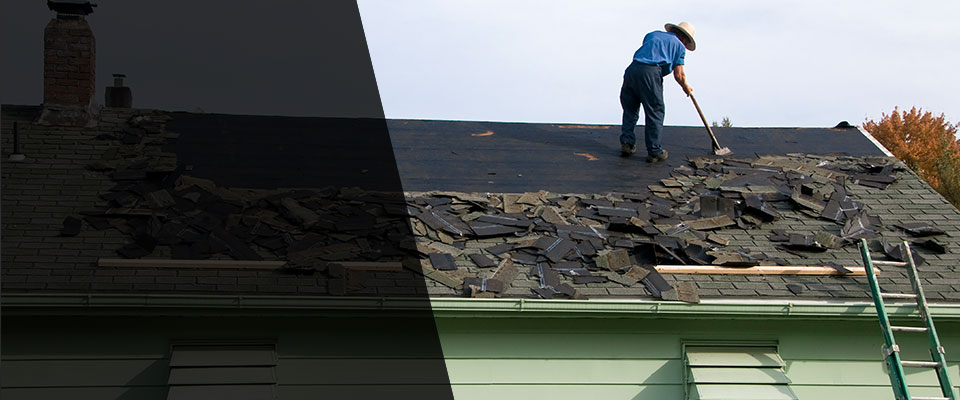
Before you go to the cost of calling in a roofer, see if you can evaluate and fix your roof issue yourself. The very best possible time to repair your roofing problem - is as soon as you realize that you have one and if the weather is calm enough to climb onto the roof. This could be more certified by stating that the best and most economical method to a hassle-free roofing system, is to examine the roofing system frequently, so that you see the problem establishing.
A leak from one dislodged tile is a economical and small matter, but if you do not inspect your roofing routinely, this will go undetected. By the time that you DO see it, it may be since water is leaking into your spare room! This means that this whole area of the roof structure is soaked, the ceiling will require to be replaced and ideally the flooring will recover.
Always check your roof after a wind storm, as many roof is not developed to hold up against strong winds. Inspect the tiles for fractures, splits and torn-off corners; also look for lifting. Raising is a common reason for roof leaks, and can be easily corrected. Understand several tiles lifting, as this could be a sign that the roofing material is too old and is warping from all the weathering.
Climb into your attic/loft and make sure that any insulation that you have in your roofing system is wrong up against the roofing itself. There needs to be a space for air to circulate; likewise when a roof warms up and there is insulation straight behind it, this heat is thrown back into the roofing and extreme heating like this can harm and warp the roofing.
Another weakness in all roofing systems is the flashing. Flashing is designed to supply a watertight junction between roofing system products and structure, specifically if the roofing system projects out or changes style (as with extension roofing systems). If you are installing a brand-new roof, it is rewarding to get the flashing 'examined' as it is a typical failure area.
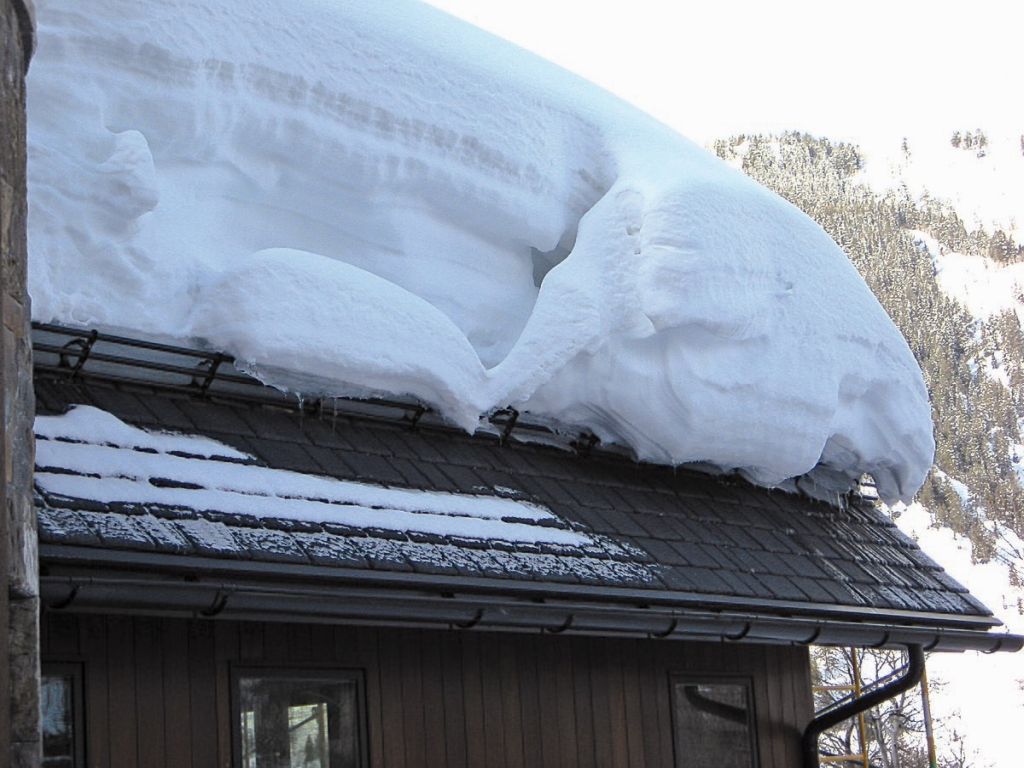
branches can trigger a problem. Roofs must have adequate run, specifically in the areas which may have snow. Water trapped in the seamless gutter will suggest that it will support the roof for a couple of inches and have time to permeate into the edges of the roofing tiles. Not all houses have appropriate perimeter security on their roofing systems, although this is one excellent feature to ask for on a brand-new roofing system.
Frequently houses incur roof leaks all at the very same time (often after strong gales winds and downpour and so on). This can mean that all specialists are hectic and you have 'block the leak' up until you can get aid.
If you do get a leak, and you have put pails under the dripping water, know that the leak may remain in a completely different place than it would appear. Finding the source is difficult, as water can run along horizontal lumbers and appear to be dripping from a place that is sound. Getting up into the attic and actually searching for a wet area on the roofing system decking will be a precise way to tell.
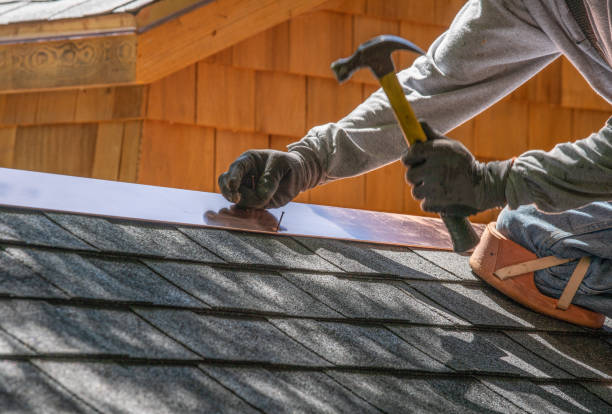
If you can find the area an emergency situation spot can be made applying roof felt and utilizing plastic cement to hold it till you can call in a specialist. You can carefully reward up the roofing shingle by removing the three or 4 nails that are holding it in location; next, use a generous finish of tar beneath the tear in concern, and likewise coat the underside of the shingle with a with a coat of tar prior to putting it back in location.
dry and clean, the wonder of the 20th. Century - duct tape - can likewise be stuck onto the roofing!
Before you go to the expenditure of calling in a roofing contractor, see if you can examine and repair your roofing system issue yourself. The best possible time to repair your roofing issue - is as soon as you recognize that you have one and if the weather is calm enough to climb up onto the roof. Flashing is created to offer a watertight junction in between roofing products and structure, especially if the roof tasks out or changes design (as with extension roofs). Not all homes have adequate border protection on their roofs, although this is one great function to ask for on a new roofing.
Roofings can likewise be momentarily fixed using roof membrane and sealants.
Roof Installation Contractors near Little Falls 07424

Call 888-347-0551 Now!
Our expert Roof Installation Contractors in Passaic County provide Expert Roofing Services. If you have any questions or concerns about our service area, please give us a call today. We are competitively priced in your region for Roof Installation because we are confident that you will be thrilled with how your roofing project will turn out. Again, call today to schedule a quote for your roofing needs.
Flat Roofs
Flat roofing systems are a fantastic way to keep a structure safe from water. Knowing precisely what to do with a flat roof will guarantee you have a working roof system that will last a long time.
They might look excellent, and are very common, flat roofing systems do require routine maintenance and in-depth repair work in order to efficiently avoid water seepage. You'll be pleased with your flat roofing for a really long time if this is done correctly.
Flat roofings aren't as popular and/or attractive as its newer equivalents, such as tile, slate, or copper roofs. However, they are simply as important and require a lot more attention. In order to prevent throwing away cash on short-term repair work, you should understand exactly how flat roof systems are developed, the numerous kinds of flat roofs that are available, and the significance of regular examination and upkeep.
A flat roofing system works by offering a waterproof membrane over a structure. It includes several layers of hydrophobic materials that is put over a structural deck with a vapor barrier that is usually put between roofing system membrane.
Flashing, or thin strips of material such as copper, intersect with the membrane and the other building components to prevent water seepage. The water is then directed to drains pipes, downspouts, and rain gutters by the roofing system's slight pitch.
There are 4 most typical types of flat roofing system systems. Noted in order of increasing toughness and expense, they are: roll asphalt, single-ply membrane, multiple-ply or built-up, and flat-seamed metal. They can vary anywhere from as low as $2 per square foot for roll asphalt or single-ply roofing that is used over and existing roofing, to $20 per square foot or more for brand-new metal roofs.
Used since the 1890s, asphalt roll roof normally consists of one layer of asphalt-saturated natural or fiberglass base felts that are used over roofing felt with nails and cold asphalt cement and typically covered with a granular mineral surface. The seams are normally covered over with a roof compound. It can last about 10 years.
Single-ply membrane roof is the latest kind of roofing material. It is frequently used to replace multiple-ply roofs. 10 to 12 year service warranties are normal, however proper setup is essential and maintenance is still needed.
Multiple-ply or built-up roofing, also called BUR, is made of overlapping rolls of saturated or coated felts or mats that are interspersed with layers of bitumen and appeared with a granular roof ballast, sheet, or tile pavers that are used to protect the underlying materials from the weather. BURs are developed to last 10 to 30 years, which depends on the products used.
Ballast, or aggregate, of crushed stone or water-worn gravel is embedded in a coating of asphalt or coal tar. Since the ballast or tile pavers cover the membrane, it makes examining and preserving the joints of the roofing system difficult.
Flat-seamed roofing systems have been utilized because the 19 th century. Made from little pieces of sheet metal soldered flush at the joints, it can last lots of years depending upon the quality of the exposure, product, and maintenance to the aspects.
Galvanized metal does require routine painting in order to prevent rust and split joints require to be resoldered. Other metal surface areas, such as copper, can end up being pitted and pinholed from acid raid and typically requires replacing. Today copper, lead-coated copper, and terne-coated stainless steel are favored as lasting flat roofings.
Flat roofing systems aren't as popular and/or attractive as its more recent counterparts, such as copper, tile, or slate roofing systems. In order to avoid tossing away money on short-term repair work, you need to understand exactly how flat roof systems are designed, the various types of flat roofs that are available, and the significance of routine inspection and maintenance.
There are four most common types of flat roofing systems. They can vary anywhere from as low as $2 per square foot for roll asphalt or single-ply roofing that is applied over and existing roofing system, to $20 per square foot or more for new metal roofing systems.
Today copper, lead-coated copper, and terne-coated stainless steel are favored as lasting flat roofs.
Tri State Roofers of Little Falls, NJ 07424
Tel:888-347-0551
Roof Installation Contractors Rating: 4.7 stars out of 13 Reviews
Main address: PO Box 304247 Little Falls, NJ
United States
Find a Roof Installation Contractor for buildings of all types from homes of all sizes to condo complexes, apartment buildings and offices in Little Falls, NJ