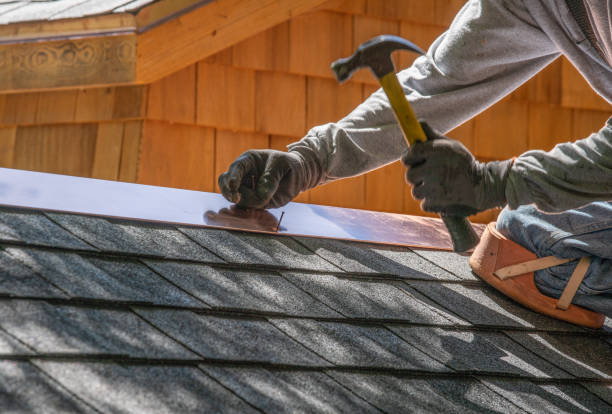
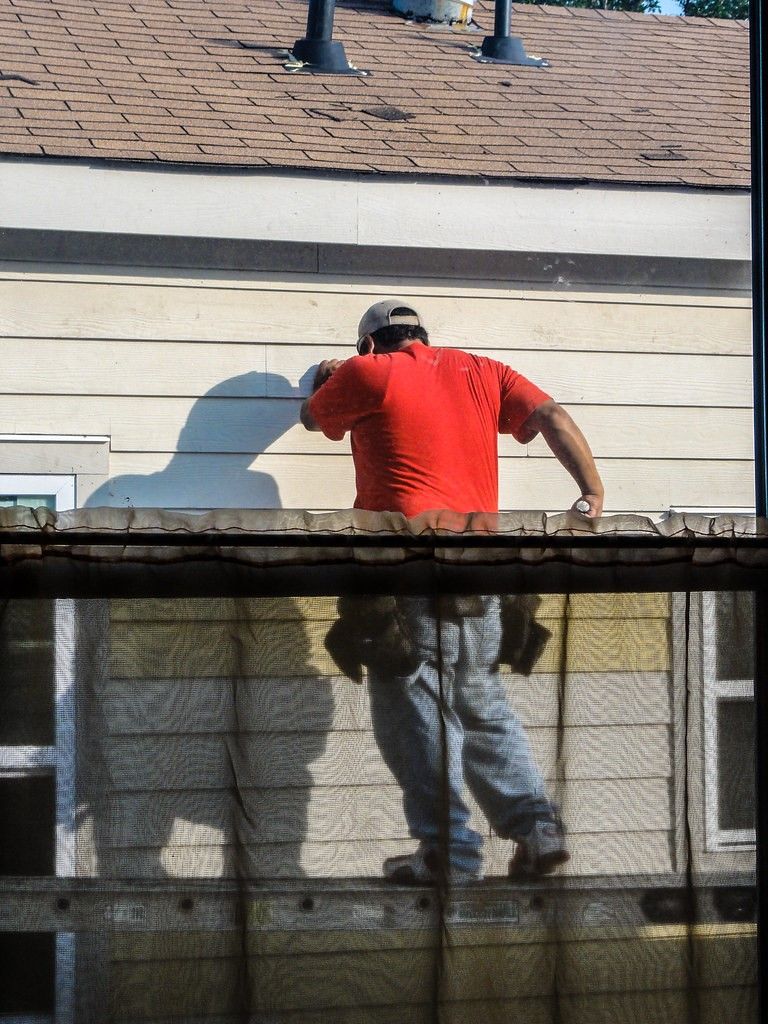
How to do Metal Roof
Putting on brand-new metal roofing and even doing repair work is not as easy as you believed it is. It is sensible to work with a proficient roofing specialist to set up a moderate to complicated metal roof. Let us have a quick learning of the treatments and the necessary requirements on how to do metal roofing.
The extremely initial step on how to do metal roof is to know how much metal roofing is required and this will be identified by measuring the height and length of the roofing system and its edges. It is essential to do careful assessment of loose roof or harmed protrusions if you are up for a modification of your old roof. Inspect the roofing pitch using a determining square and a level and remember of the minimum requirement as recommended by the maker.
The next requirement is to figure out the roof underlayment which helps prevent unnecessary moisture on the metal roofing system during specific weather conditions. The underlayment should protrude on all roofing system edges by 1 1/2 inches, broaden on vent pipelines by a minimum of 1 1/2 inches, and on sidewalls by a minimum of 6 inches. roofing is situated right versus the underlayment, it is best to place on red rosin paper over the felt paper to prevent sticking on the metal.
very first sheet with the next one. Do the same procedure with the entire roof till the last sheet is covered. additional area left past the edge, cut this with a tin snip and finally screw in the last sheet. Fasten the metal sheets by putting in 5/16 inch lap screws every four feet where 2 sheets overlap each other.
dealing with the sides of the roof with the metal trim to cover its edges in addition to the roofing ridge which should be bent over to totally cover it. Usage 1/4 inch metal wood screws for the metal trim. The last step will be putting in the closures which are pieces of 3 foot foam rubber. Given that it has glue underneath, it will stick itself when placed on the opening along the edges.
These are just the basic procedures on how to do metal roof. entire process is much more complicated if you care to ask an expert. But if you wish to try the roof deal with your garage, for instance, just ensure to carefully follow the actions and utilize the appropriate working tools.
The very first step on how to do metal roofing is to understand how much metal roofing is needed and this will be identified by determining the height and length of the roof and its edges. If your metal roof is located right versus the underlayment, it is best to put on red rosin paper over the felt paper to prevent sticking on the metal.
The next few actions on how to do metal roofing will deal more with the metal sheets. Screw the metal roof into the wood slats with the usage of 1/4 inch metal wood screws every 2 feet on both sides. Usage 1/4 inch metal wood screws for the metal trim.
Roof Installation Contractors near Glen Rock 07452

Call 888-347-0551 Now!
Our expert Roof Installation Contractors in Bergen County provide Expert Roofing Services. If you have any questions or concerns about our service area, please give us a call today. We are competitively priced in your area for Roof Installation because we are confident that you will be thrilled with how your roofing project will turn out. Again, call today to schedule a estimate for your roofing needs.
Flat Roofs
Flat roofing systems are a terrific way to keep a structure safe from water. Knowing exactly what to do with a flat roof will guarantee you have a working roofing system that will last a long time.
They might look excellent, and are extremely common, flat roofs do require routine upkeep and in-depth repair in order to effectively prevent water seepage. You'll be happy with your flat roofing for a very long time if this is done properly.
Flat roofings aren't as popular and/or glamorous as its more recent counterparts, such as slate, tile, or copper roofs. However, they are simply as crucial and need a lot more attention. In order to prevent getting rid of cash on short-term repairs, you ought to know exactly how flat roofing systems are developed, the numerous kinds of flat roofing systems that are offered, and the value of regular inspection and maintenance.
A flat roof system works by offering a water resistant membrane over a structure. It consists of one or more layers of hydrophobic materials that is placed over a structural deck with a vapor barrier that is normally placed between roofing system membrane.
Flashing, or thin strips of material such as copper, converge with the membrane and the other building parts to avoid water seepage. The water is then directed to drains pipes, downspouts, and seamless gutters by the roofing system's slight pitch.
There are four most common kinds of flat roofing systems. Listed in order of increasing resilience and expense, they are: roll asphalt, single-ply membrane, built-up or multiple-ply, and flat-seamed metal. They can range anywhere from as low as $2 per square foot for roll asphalt or single-ply roofing that is applied over and existing roof, to $20 per square foot or more for new metal roofing systems.
Utilized since the 1890s, asphalt roll roofing normally includes one layer of asphalt-saturated natural or fiberglass base felts that are applied over roofing system felt with nails and cold asphalt cement and normally covered with a granular mineral surface. The seams are normally covered over with a roofing substance. It can last about 10 years.
Single-ply membrane roof is the latest type of roof material. It is often used to change multiple-ply roofs. 10 to 12 year warranties are typical, however correct installation is crucial and upkeep is still needed.
Built-up or multiple-ply roof, likewise called BUR, is made from overlapping rolls of saturated or layered felts or mats that are interspersed with layers of bitumen and surfaced with a granular roofing tile, sheet, or ballast pavers that are utilized to protect the underlying materials from the weather. BURs are created to last 10 to 30 years, which depends upon the materials used.
Ballast, or aggregate, of crushed stone or water-worn gravel is embedded in a finishing of asphalt or coal tar. Because the ballast or tile pavers cover the membrane, it makes checking and preserving the joints of the roof difficult.
Finally, flat-seamed roofings have been used given that the 19 th century. Made from little pieces of sheet metal soldered flush at the joints, it can last lots of decades depending upon the quality of the material, direct exposure, and upkeep to the elements.
Galvanized metal does need regular painting in order to avoid deterioration and split seams need to be resoldered. Other metal surfaces, such as copper, can end up being pitted and pinholed from acid raid and generally needs replacing. Today copper, lead-coated copper, and terne-coated stainless steel are favored as lasting flat roofings.
Flat roofings aren't as glamorous and/or popular as its newer equivalents, such as tile, copper, or slate roofing systems. In order to avoid throwing away cash on short-term repair work, you ought to understand precisely how flat roofing systems are developed, the various types of flat roofing systems that are offered, and the value of regular assessment and upkeep.
There are 4 most typical types of flat roofing systems. They can range anywhere from as low as $2 per square foot for roll asphalt or single-ply roofing that is applied over and existing roofing system, to $20 per square foot or more for new metal roofing systems.
Today copper, lead-coated copper, and terne-coated stainless steel are preferred as long-lasting flat roofings.
Tri State Roofers of Glen Rock, NJ 07452
Tel:888-347-0551
Roof Installation Contractors Rating: 4.6 stars out of 88 Reviews
Main address: PO Box 513433 Glen Rock, NJ
United States
Find a Roof Installation Contractor for buildings of all types from homes of all sizes to condo complexes, apartment buildings and offices in Glen Rock, NJ