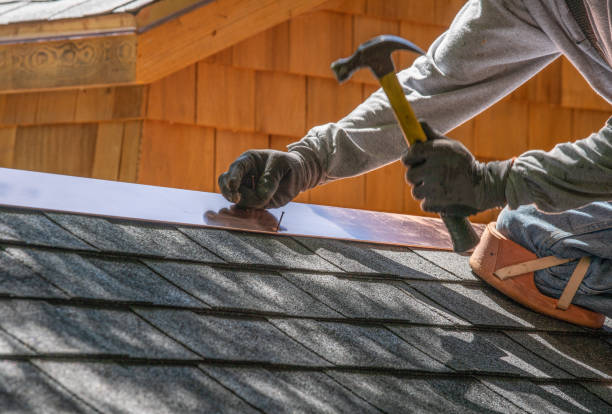
How to do Metal Roofing
Idea of setting up metal roofing yourself? Do not even trouble to consider it. Putting on brand-new metal roofing and even doing repairs is not as simple as you believed it is. Knowing how to do metal roofing is a complex one. It entails numerous procedures, special techniques and would require using quite a number of assorted metal tools and accessories. Metal roofing is primarily done by expert installers, as this is not simply a do-it-yourself project. It is smart to work with an experienced roofing specialist to install a moderate to complicated metal roofing. Let us have a quick learning of the treatments and the necessary requirements on how to do metal roofing.
The really primary step on how to do metal roofing is to understand how much metal roofing is required and this will be determined by measuring the height and length of the roofing and its edges. a change of your old roof, it is necessary to do careful examination of loose roof or harmed protrusions. Inspect the roof pitch utilizing a determining square and a level and take note of the minimum requirement as suggested by the producer.
The next requirement is to identify the roof underlayment which assists prevent unnecessary wetness on the metal roofing throughout certain climate condition. The underlayment should extend on all roofing system edges by 1 1/2 inches, broaden on vent pipelines by at least 1 1/2 inches, and on sidewalls by at least 6 inches. It is best to put on red rosin paper over the felt paper to avoid sticking on the metal if your metal roofing system is located right versus the underlayment.
first sheet with the next one. Do the exact same procedure with the entire roofing system till the last sheet is covered. extra space left past the edge, cut this with a tin snip and finally screw in the last sheet. Secure the metal sheets by putting in 5/16 inch lap screws every four feet where two sheets overlap each other.
working on the sides of the roofing system with the metal trim to cover its edges as well as the roofing system ridge which need to be bent over to fully cover it. Usage 1/4 inch metal wood screws for the metal trim. The last action will be putting in the closures which are pieces of 3 foot foam rubber. Considering that it has glue below, it will stick itself when put on the opening along the edges.
These are simply the standard procedures on how to do metal roofing. whole procedure is much more complex if you care to ask a professional. But if you want to try the roofing deal with your garage, for instance, just ensure to thoroughly follow the actions and use the appropriate working tools.
The really first step on how to do metal roof is to understand how much metal roofing is needed and this will be determined by determining the height and length of the roofing system and its edges. If your metal roof is situated right versus the underlayment, it is best to put on red rosin paper over the felt paper to avoid sticking on the metal.
The next couple of actions on how to do metal roofing will deal more with the metal sheets. Screw the metal roof into the wood slats with the usage of 1/4 inch metal wood screws every two feet on both sides. Usage 1/4 inch metal wood screws for the metal trim.
Emergency Roof Repair near Glen Ridge, New Jersey 07028

Call 888-347-0551 Now!
Our expert Emergency Roof Repair Contractors in Essex County provide Expert Roofing Services. If you have any questions or concerns about our service area, please give us a call today. We are competitively priced in this region for Emergency Roof Repairs because we are confident that you will be thrilled with how your roofing project will turn out. Again, call today to schedule a quote for your roofing job.
Flat Roofs
Flat roofing systems are a fantastic method to keep a building safe from water. Knowing exactly what to do with a flat roofing will ensure you have a working roofing system that will last a very long time.
might look excellent, and are really typical, flat roofing systems do require routine upkeep and detailed repair in order to successfully avoid water seepage. You'll be happy with your flat roof for an extremely long time if this is done properly.
Flat roofs aren't as attractive and/or popular as its newer equivalents, such as tile, slate, or copper roofs. They are simply as important and require even more attention. In order to prevent discarding money on short-term repair work, you need to understand exactly how flat roofing system systems are designed, the different types of flat roofings that are readily available, and the importance of routine evaluation and upkeep.
A flat roof system works by providing a water resistant membrane over a building. It includes one or more layers of hydrophobic products that is positioned over a structural deck with a vapor barrier that is typically put in between the roof and the deck membrane.
Flashing, or thin strips of product such as copper, intersect with the membrane and the other structure elements to prevent water seepage. The water is then directed to drains, downspouts, and seamless gutters by the roof's small pitch.
There are 4 most typical types of flat roofing systems. Listed in order of increasing resilience and cost, they are: roll asphalt, single-ply membrane, multiple-ply or built-up, and flat-seamed metal. They can vary anywhere from as low as $2 per square foot for roll asphalt or single-ply roof that is applied over and existing roof, to $20 per square foot or more for new metal roofs.
Used since the 1890s, asphalt roll roofing typically includes one layer of asphalt-saturated organic or fiberglass base felts that are used over roof felt with nails and cold asphalt cement and typically covered with a granular mineral surface area. The joints are usually covered over with a roofing compound. It can last about 10 years.
Single-ply membrane roof is the latest kind of roof product. It is typically utilized to change multiple-ply roofings. 10 to 12 year service warranties are normal, but correct installation is vital and upkeep is still needed.
Built-up or multiple-ply roofing, also called BUR, is made from overlapping rolls of saturated or layered felts or mats that are interspersed with layers of bitumen and emerged with a granular roofing ballast, tile, or sheet pavers that are used to protect the hidden products from the weather. BURs are developed to last 10 to 30 years, which depends upon the products utilized.
Ballast, or aggregate, of crushed stone or water-worn gravel is embedded in a covering of asphalt or coal tar. Considering that the ballast or tile pavers cover the membrane, it makes inspecting and maintaining the joints of the roofing challenging.
Flat-seamed roofing systems have been utilized considering that the 19 th century. Made from small pieces of sheet metal soldered flush at the joints, it can last many decades depending upon the quality of the exposure, product, and maintenance to the aspects.
Galvanized metal does need regular painting in order to avoid deterioration and split seams need to be resoldered. Other metal surfaces, such as copper, can become pitted and pinholed from acid raid and usually requires changing. Today copper, lead-coated copper, and terne-coated stainless-steel are preferred as long-lasting flat roofs.
Flat roofings aren't as popular and/or glamorous as its newer counterparts, such as tile, slate, or copper roofings. In order to prevent throwing away cash on short-term repair work, you must understand precisely how flat roofing systems are designed, the various types of flat roofing systems that are readily available, and the significance of routine examination and upkeep.
There are four most typical types of flat roof systems. They can vary anywhere from as low as $2 per square foot for roll asphalt or single-ply roof that is used over and existing roofing, to $20 per square foot or more for new metal roofings.
Today copper, lead-coated copper, and terne-coated stainless steel are favored as long-lasting flat roofings.
Tri State Roofers of Glen Ridge, NJ 07028
Tel:888-347-0551
Emergency Roof Repair Rating: 4.7 stars out of 86 Reviews
Main address: PO Box 313940 Glen Ridge, NJ 07028
United States
Find an Emergency Roof Repair specialist for buildings of all types from homes of all sizes to condo complexes, apartment buildings and offices in Glen Ridge, NJ 07028