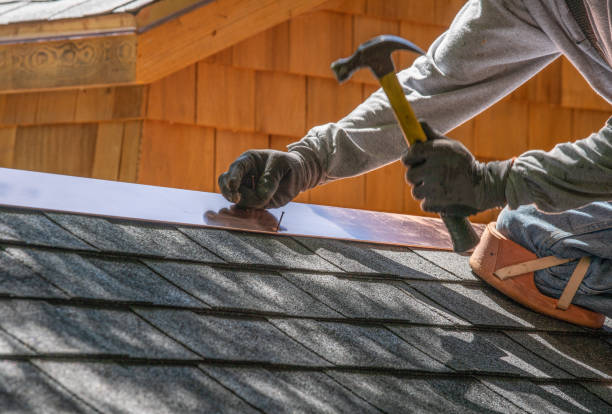
How Long to Set Up a New Roof?
The roofing is by far one of the most crucial parts of your house when it comes to securing the rest of the building and it's residents from extreme weather conditions and numerous roofings are in a state of disrepair. Despite this, they are left to intensify prior to individuals are ready to act and either pay for decent repair work or bite the bullet and have a new roofing fitted.
The life of your roofing.
Knowing how long to install a new roofing truly is a question of understanding how well cared for your present roofing system is. Lots of new roofing systems included a life of up to 20 years and some more resilient and tough wearing roofs will have a life as long as 40 or 50 years however if you do not care for your roofing system and routinely have it inspected and maintained you face a really genuine threat of significantly decreasing this life expectancy. When you have a brand-new roofing system fitted you should, as far as possible, pay as much as you can pay for to guarantee that you get as long a life as possible with your new roofing system.
Starting.
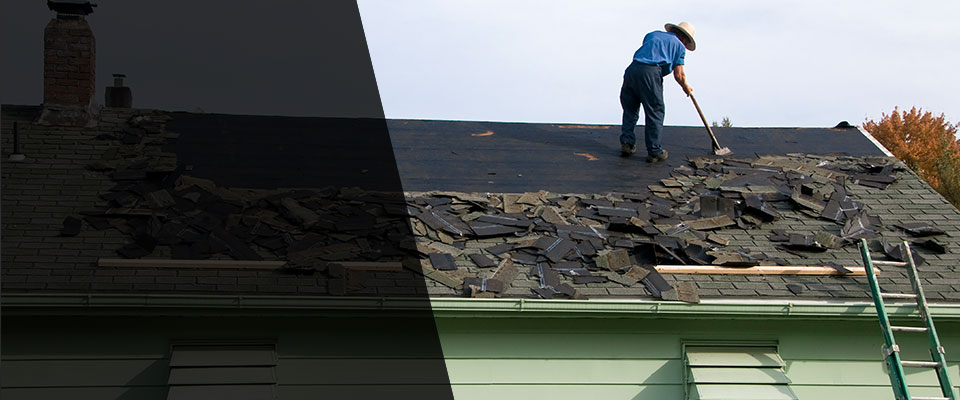
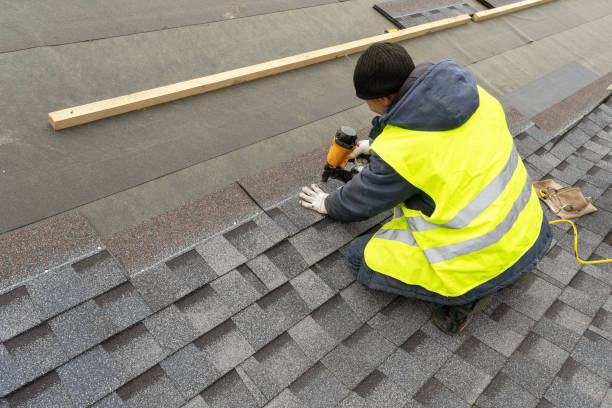
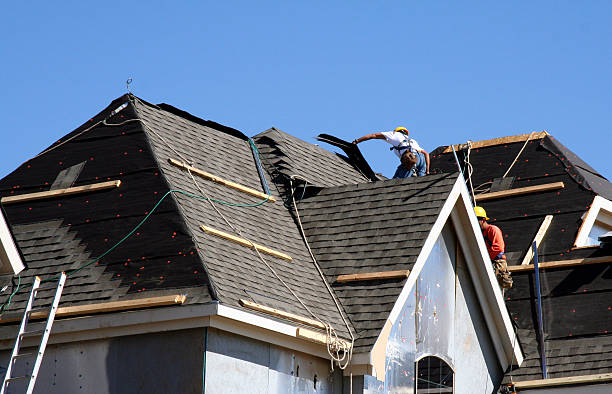
The answer isn't that straight forward. Whatever depends on the size of the roofing, the shape of the roofing and precisely what you are having fitted. Using a single layer of shingles on an existing roof is not likely to take longer than a couple of days however having your existing roofing system completely removed and a totally brand-new one built can take a number of weeks. To get a precise concept you ought to get a quote from an expert roofer and ensure that this details will be included. Do be aware that things can fail and even when there is absolutely nothing wrong with the roof an unexpected modification in the weather can set the building and construction of your brand-new roof back significantly.
Start as you suggest to go on.
As soon as you have your new roofing fitted you should not simply assume that since it features a ten-year guarantee you will not require to do anything about maintenance for the first ten years. You should, wherever possible, have a yearly check up just to ensure that everything is ok due to the fact that if a little problem is found it can be fixed prior to the little problem becomes a much bigger and more costly problem.
Knowing how long to install a new roofing really is a concern of understanding how well looked after your present roofing system is. Numerous new roofings come with a life of up to 20 years and some more durable and difficult using roofs will have a life as long as 40 or 50 years however if you do not care for your roofing system and frequently have it examined and kept you deal with a very genuine risk of significantly decreasing this lifespan. When you have a brand-new roofing fitted you should, as far as possible, pay as much as you can afford to guarantee that you get as long a life as possible with your brand-new roof.
Emergency Roof Repair near Bridgewater, New Jersey 08807

Call 888-347-0551 Now!
Our expert Emergency Roof Repair Contractors in Somerset County provide Expert Roofing Services. If you have any questions or concerns about our service area, please give us a call today. We are competitively priced in this region for Emergency Roof Repairs because we are confident that you will be thrilled with how your roofing project will turn out. Again, call today to schedule a estimate for your roofing needs.
Flat Roofs
Flat roofs are a fantastic method to keep a building safe from water. Knowing exactly what to do with a flat roofing will ensure you have a working roofing system that will last a very long time.
They may look great, and are really typical, flat roofs do need routine maintenance and detailed repair in order to successfully avoid water infiltration. You'll be happy with your flat roof for a really long time if this is done correctly.
Flat roofing systems aren't as attractive and/or popular as its newer equivalents, such as slate, copper, or tile roofing systems. They are simply as important and need even more attention. In order to avoid discarding cash on short-term repairs, you should understand precisely how flat roof systems are designed, the various kinds of flat roofing systems that are readily available, and the importance of regular assessment and upkeep.
A flat roof system works by supplying a water resistant membrane over a structure. It includes one or more layers of hydrophobic products that is placed over a structural deck with a vapor barrier that is generally placed in between roofing system membrane.
Flashing, or thin strips of product such as copper, intersect with the membrane and the other structure elements to prevent water seepage. The water is then directed to drains, downspouts, and gutters by the roof's slight pitch.
There are four most common kinds of flat roofing systems. Noted in order of increasing toughness and expense, they are: roll asphalt, single-ply membrane, built-up or multiple-ply, and flat-seamed metal. They can range anywhere from as low as $2 per square foot for roll asphalt or single-ply roof that is used over and existing roofing, to $20 per square foot or more for new metal roofing systems.
Used since the 1890s, asphalt roll roof normally consists of one layer of asphalt-saturated natural or fiberglass base felts that are used over roofing system felt with nails and cold asphalt cement and typically covered with a granular mineral surface. The seams are normally covered over with a roofing substance. It can last about 10 years.
Single-ply membrane roofing is the most recent kind of roof product. It is often utilized to change multiple-ply roofs. 10 to 12 year warranties are common, however appropriate setup is crucial and upkeep is still needed.
Multiple-ply or built-up roof, likewise called BUR, is made of overlapping rolls of saturated or coated felts or mats that are interspersed with layers of bitumen and surfaced with a granular roofing ballast, sheet, or tile pavers that are utilized to secure the hidden materials from the weather condition. BURs are developed to last 10 to 30 years, which depends on the materials used.
Ballast, or aggregate, of crushed stone or water-worn gravel is embedded in a coating of asphalt or coal tar. Given that the ballast or tile pavers cover the membrane, it makes inspecting and preserving the joints of the roof difficult.
Flat-seamed roofs have actually been used because the 19 th century. Made from little pieces of sheet metal soldered flush at the joints, it can last many years depending on the quality of the exposure, maintenance, and material to the aspects.
Galvanized metal does require routine painting in order to prevent rust and split joints require to be resoldered. Other metal surface areas, such as copper, can become pitted and pinholed from acid raid and usually needs changing. Today copper, lead-coated copper, and terne-coated stainless steel are favored as long-lasting flat roofing systems.
Flat roofs aren't as popular and/or attractive as its newer equivalents, such as slate, copper, or tile roofs. In order to avoid tossing away cash on short-term repair work, you must understand exactly how flat roofing systems are created, the various types of flat roofs that are available, and the significance of regular inspection and upkeep.
There are 4 most typical types of flat roof systems. They can range anywhere from as low as $2 per square foot for roll asphalt or single-ply roof that is used over and existing roof, to $20 per square foot or more for new metal roofings.
Today copper, lead-coated copper, and terne-coated stainless steel are preferred as lasting flat roofings.
Tri State Roofers of Bridgewater, NJ 08807
Tel:888-347-0551
Emergency Roof Repair Rating: 4.7 stars out of 39 Reviews
Main address: PO Box 785640 Bridgewater, NJ 08807
United States
Find an Emergency Roof Repair specialist for buildings of all types from homes of all sizes to condo complexes, apartment buildings and offices in Bridgewater, NJ 08807